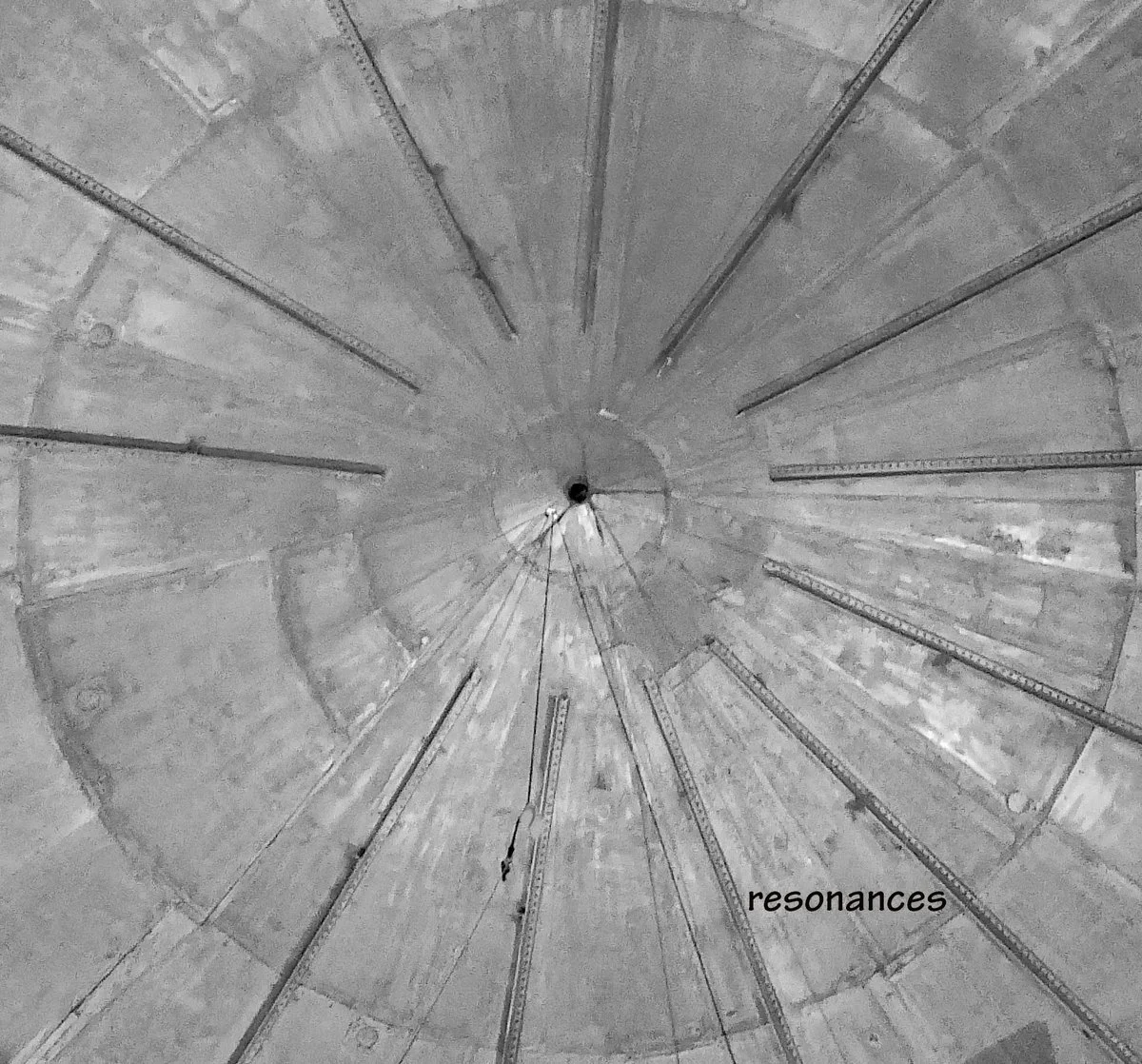

Our Mission is to preserve, protect, and share The TANK, Rangely Colorado’s world class center for sonic arts, as a unique and transformative audio laboratory for musicians, sound artists, educators, and town residents.
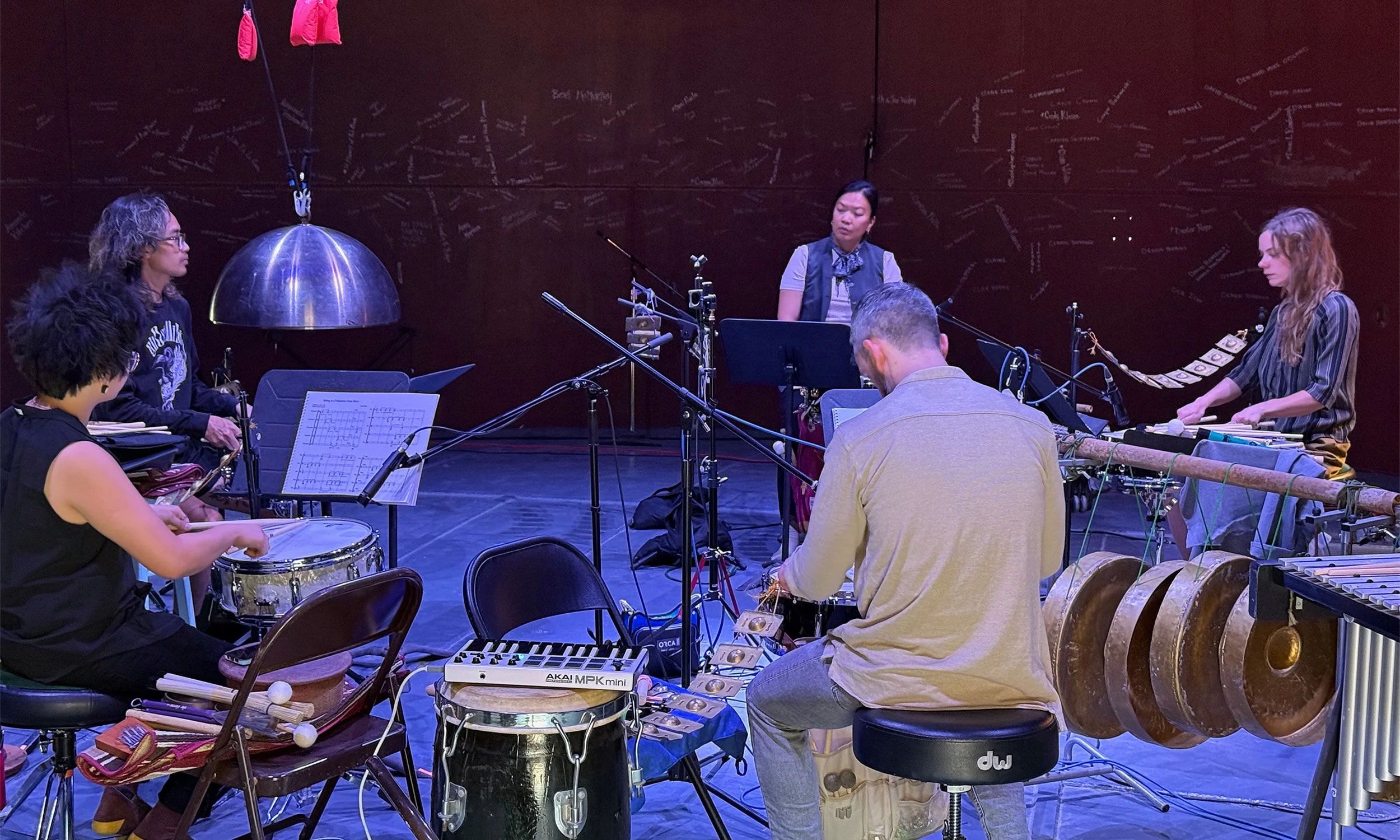
How we fulfill our mission
Professional recording sessions, on-site and remote.
Twentyfour open-house Saturdays every year for you to come, explore and experiment
Free concerts plus two multi-day ticketed events every year
Artist residencies and partnerships with universities
Resident artists visit with local school students
We employ local residents as engineers, and they train others to take their first steps towards sound engineering
We bring visitors to our rural home town’s businesses
We rely on the generosity of donors - please consider making a tax deductible donation to our non-profit organization.
Come to The TANK
The staff and board members of the Tank are committed to creating a safe and welcoming space for everyone. We embrace and celebrate differences. We find joy in uniqueness. We are centered in love. We seek peace. Age, race, gender, ability, culture, sexuality, ethnicity, and class are all notes that add depth to our resonant space. Whether you're coming from near or far, please add your voice to our chorus.
Listen to The TANK
TANK Radio: hundreds of tracks that have been recorded in the TANK by various artists since the late 1970’s. Randomized. If you like, you can jump to the full playlist on Soundcloud to get dates and artist names.
What people say about playing in The TANK


-
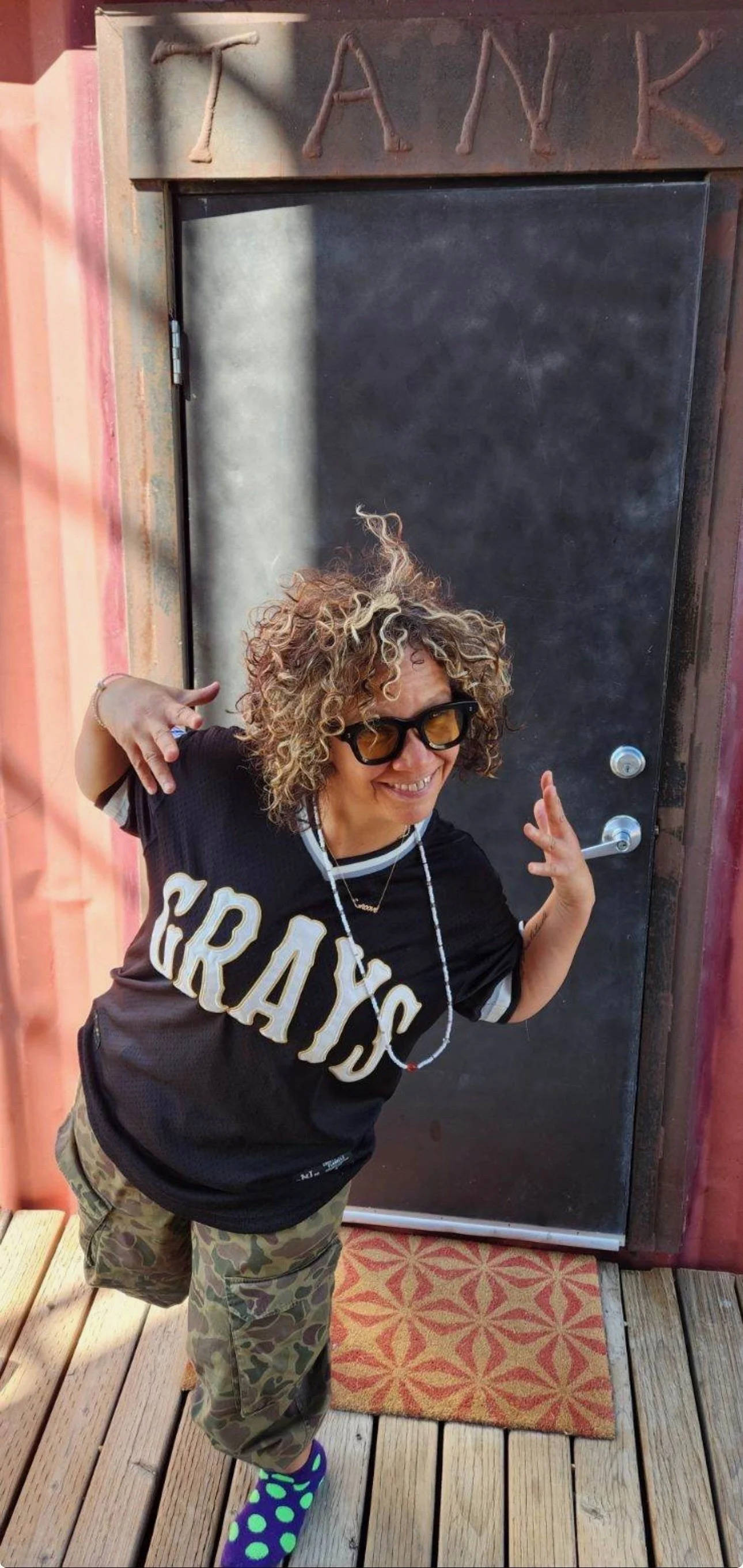
My first plunge into the Tank came courtesy of my dear friend Todd Barton. For his birthday, Todd skipped cake and candles and instead assembled a fellowship of sound seekers, improvisers, and frequency chasers for a three-day communion inside one of the most acoustically uncanny spaces on Earth. I had no real idea what I was walking into. I boarded a plane from New York, landed in Salt Lake City, linked up with Todd, and together we pointed the car toward Rangely, Colorado, chasing a horizon that felt part desert pilgrimage, part science-fiction road movie. I arrived carrying a small arsenal of electronics, but in the end the instruments that spoke most clearly were my voice and a borrowed metal barrel that doubled as the trash can outside the local NAPA Auto Parts store. The Tank has a way of stripping away assumptions about what counts as an instrument.
What struck me most was the sensitivity of the space itself. A whisper could bloom into architecture. A click, a breath, a scrape of metal could linger in the air long after its source had disappeared. Sound didn’t simply occur there; it revealed itself. We all seemed to instinctively become listeners before performers. Conversation dwindled to a minimum, and every gesture felt intentional, almost ceremonial. Looking back, I think of the atmosphere the way I think of entering a church before the service begins. People speak softly not because they’re told to, but because the room itself asks something of them. The Tank carried that same gravity: part reverence, part curiosity, part surrender.
Back in New York, the Tank never really left me. Its resonance lingered in memory long after I returned home, so when the opportunity came to have a piece “Tanked,” I was all in. One of the things that stayed with me from my first encounter was the way a single sustained tone seemed to hover in the air, slowly dissolving into infinity. Inspired by that experience, I chose not to record conventional chords. Instead, I recorded one note at a time, allowing roughly thirty seconds of silence between each tone. I wanted every pitch to fully inhabit the space before the next arrived. Later, in the editing process, those individual notes were layered into harmonic structures, allowing the composition to emerge from resonance itself.
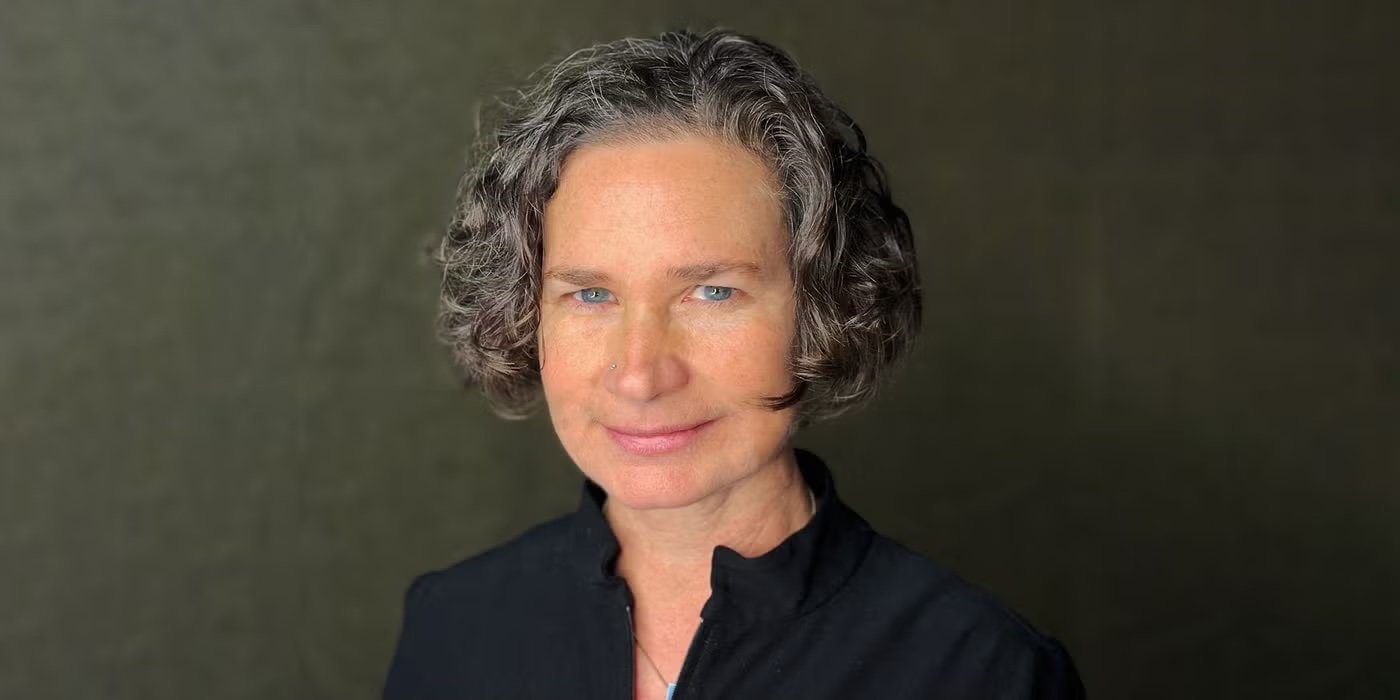
As Executive Director of Willie Mae Rock Camp in NYC, I am focused on encouraging young people to experiment, listen deeply, and imagine new possibilities through sound and technology. My intention is that my piece will inspire some of our youth to create a work of their own to be Tanked, adding their voices to this extraordinary acoustic space.
My experience with the Tank reinforced a lesson I return to again and again in my work as a composer, and with young people: imagination begins with listening. When we slow down, pay attention, and remain curious, new possibilities reveal themselves. The Tank embodies that spirit. Or, in Todd Barton’s simple and profound words, “Follow the sound.”
-
My connection to The Tank started back in the 1990’s when I first met Bruce Odland. I was curating music at The Kitchen then and we presented his Cloud Chamber project with Sam Auinger. Bruce’s creative work has always been extremely compelling, and I was very intrigued when I heard about his development of The Tank during its early stages.
Other musicians and media reporting brought The Tank more to my attention, and in 2023 when I was planning a tour of the western US, I contacted Bruce about a possible performance. I was thrilled to be invited to perform on the Solstice Festival in June. The Tank was my last stop after a month spent traveling, performing, and finishing my book Diffusing Music. I was particularly drawn to play at The Tank because of my involvement with ambient music, both through my own work and as leader of La Monte Young’s Theater of Eternal Music Brass Ensemble. In recent years many of these performances were presented in churches or other highly reverberant spaces, so I was very excited to have the chance to bring my music to The Tank.
Beyond exploring the interior acoustics, I was equally fascinated by the idea of the outdoor presentation through spatially separated speakers. I had previously developed a wireless sound system that distributed the live-sampled sounds of my Mutantrumpet around a lake for ambient performances. The Tank’s blend of interior and exterior listening paralleled my interest in outdoor and indoor sonic environments, a theme also central to my opera Fantini Futuro.
When I arrived in Rangely and first set foot in The Tank I begin playing acoustically, before I had set up my electronic system. What I immediately realized was that The Tank is not just a space, it’s more like a giant instrument. As I played, I was struck by how the sound seemed to spiral upward, as if the notes were ascending into infinity. I found myself listening and reacting to what The Tank was giving back in ways that I never had before. Once the electronics were added the interactivity with The Tank became even more pronounced, and I continued to hear things generated by my playing that I had never experienced previously. Stepping outside and hearing the sounds being played over the expansive landscape was equally exhilarating for me, particularly with my recent interest in the relationship of indoor and outdoor sonic spaces.
The performance was unlike anything I’ve experienced in my long career; transcendent, mystical, and profoundly moving. The upward movement of the sound created a kind of anti-gravity sensation, like floating upward on the powerful resonances that were materializing inside of the space. The dynamic sensitivity was astonishing, even the quietest sounds produced complex responses. During the performance there was a strong wind blowing outside, which emphasized The Tank’s connection to wild nature and added another powerful sonic element.The next day it was great to have the chance to meet some other musicians and community members. The openness of the exchange felt very aligned with the inclusive, expansive nature of the experience I had the night before.
My experience with remote recording at The Tank is much more limited. I had a session in early 2025 in which I recorded my Mutantrumpet and live sampling through Sonobus. Everything worked well technically, but in the virtual situation it was more difficult for me to adjust to the The Tank’s remarkable acoustics due to my own monitoring setup. The session turned out to be more of an experiment, and I plan to do another recording sometime soon in which I focus more on listening to The Tank as an active collaborator.
The Tank is a space that compels us to listen in ways that we never have before. It sensitizes us to sonic phenomena and experiences in a way that lingers long after we leave its physical presence. I greatly look forward to having a chance of returning soon, either physically or virtually.
-
The black cursive Rio Grande presides seven stories above the sagebrush, a fading tattoo from The Tank’s honest upbringing as a reservoir for soft water to tend the railroad.
Once a utilitarian giant, this particular tank now serves as a sanctuary for sound arts and creative practice. Within its depths, the joyous onslaughts of musicians and audiophiles are tempered by forty seconds of natural reverb, endless echoes, and a parabola-shaped floor. Sound takes time, and The Tank just keeps on giving.
The lozenge-shaped entry looks to have been sourced from a decommissioned submarine. I hurtled through the door in a tornado of microphones, trailing wires, and dying batteries. Eight hours of icy roads had brought me to this moment, an edgy artist seeking solace in sound.
My frozen fingers gave way and the truck keys clattered down on a wood stool just inside the tank’s curved steel exterior. This careless gesture launched a sonic sparkle, reverberating through the space for over thirty seconds. Clutching an armload of recording gear, I stood motionless - a relic of my own disturbance - then gasped a frosty exhale that echoed for an eternity. What other reverberations of my thoughtlessness linger, disrupting the fabric of time and space? Attending to inattention was Tank Lesson #1.
My teacher, a 70-foot-tall COR-TEN steel cylinder, was derelict to the eyes, but beautiful on the ears. Emptied of its liquid past, The Tank looms high over Rangely, Colorado, weathering the passing sounds of human haste, occasional overflights, and the intermittent bark of a neighbor’s dog. If I wanted to listen, to truly hear, It was time to slow down. This was Tank Lesson #2.
I untangled the wires and plugged the mics into the recording deck. For the next ninety minutes, I surrendered to the lazy stretch of the Tank’s acoustic decay, launching a steady stream of different sounds and savoring the soft weave of suspended reverberations from each clip played. I drew from my own field recordings of arctic bioacoustics, fog horns, and bell buoys. These aids to navigation were rendered directionless within the softly booming bellows of the Tank.
The haunting melodies of bowhead and humpback whales, the clicks of sperm whales, and squeaking killer whales were sourced from the bioacoustic library of the Woods Hole Oceanographic Institute and the New Bedford Whaling Museum. Marine mammals echoed forth, as if The Tank itself was a ship upon the sea and we were deep within that vessel. Perhaps this was the first utterance of whale language across the sage plains of northwestern Colorado.
My collaborator, the artist Mia Mulvey, brought her walrus recordings from the Arctic, and a delicate chorus of tree frogs. With her magnetized geophone, she mic’d up a chilly metal folding chair and set it in the center of the Tank’s roundness, adding yet more reverb to the 40-second echo of decaying nature sounds.
After listening for a stretch, we learned that less could be more. Launching sounds from the digital playground of the laptop was fun and interesting, but paled in comparison to the emotional depths of the fading acoustic after-image. As the October air nipped at our extremities, I found myself increasingly attuned to the space between sounds.
Here, in the elasticity of descending stillness, was a silence that was sublime, but nearly imperceptible. A calm seeped in, not through the eyes or ears, but through the skin, the immediate and undeniable sensation of being both held closely and fully liberated.
The Tank reminds us that quiet is a language of the heart, spoken in the liminal spaces between sounds. Any sudden movement - a careless breath - and we drown in a cacophony of our own self-noise. It’s impossible to discern the precise moment when sound steps in and quiet recedes, the inexplicable absence of something that was never truly present. We must settle ourselves and receive quiet fully, then patiently await the decay of our own echoes, allowing silence to permeate deeper still. Tank Lesson #3 is a practice of perpetually relearning to settle down.
I gently retrieve my keys from the wooden stool, promising a long, uncertain journey ahead. A digital tempest brews in my reawakened smartphone as winter storm warnings pelt across the screen. We are, after all, creatures of chance, shaped by unpredictable forces that come out of nowhere, typically without warning, to scare us and soothe us, reverberating through time.
So many echoes, so much to learn.
-
I first became aware of The Tank from my good friend Larry Delinger, who was composing music for the Denver Center and working with composer/sound designer, Bruce Odland. Larry told me that Bruce had found this amazing acoustic space which was only known to a few underground composers and sound designers. From that moment on it was on my bucket list.
It wasn’t until April 30, 2021 when I got to experience The Tank remotely while beta testing the remote hook up from my Ashland house to The Tank, using Sonobus and my Buchla Music Easel (a semi-modular analog synth). It was a mind blowing revelation, putting my headsets on and playing a single note on my Easel and hearing 40 seconds of reverberation. As I continued to explore and improvise sounds, I thought I heard what was a hauntingly, beautiful female voice…nothing I was doing would have made that sound. It turns out Samantha Wade (one of the audio engineers at that time) had walked into The Tank and started singing with me. It was a sublime duet…or trio: Samantha, me and the Tank.
A month later in June on the summer solstice 2021 I invited to perform in The Tank. Actually being in the Tank and learning and breathing with it rewired my mind, body and soul. I learned a deeper and slower way of listening.
Just prior to my performance that evening I got to listen to a recoding of my soundcheck outside The Tank surrounded by the Meyer 5.1 sound system. Watching the sunset in Rangeley, Colorado and being immersed outdoors by the sound of The Tank was transcendent and an experience that stays with me to this day.
Fast forward to February, March and April 2022 during the pandemic. I invited 10 of my musician friends to give me 3 to 6 minute audio clips of their favorite tune or improvisation or sound effect and sent these to Samantha and Michael to be Re-Tanked. They played back the audio files from their speakers in The Tank and then recorded that from their eight microphones then gave me the eight channel .wav files. It was a revelation to hear the differences of individual instruments and how The Tank embraced and spoke with them. Didjeridoo, piano, voice, trumpet, guitar, modular synths, waterphone, shakuhachi and Taiko drum.
My next encounter with The Tank was September 14, 2024 when I invited 10 of my musician friends to join me in The Tank for a day of exploration, improvisation, and sublime sonic camaraderie. Most of these musicians did not know one another, but somehow the magic of The Tank embraced and inspired us all to a sense of play and deep listening.
I’m so honored, excited and inspired to now be on the Board of Directors with the amazingly creative and visionary thinkers and supporters.
Long Live the TANK!

There are no more public events scheduled for 2026 other than Open Saturdays, through the end of October. On-site recording sessons continue through October, and remote recording sessions continue all through the year.

Many past events from prior years are listed on our Events page.
2026
-
(From Sherry Finzer’s liner notes.)
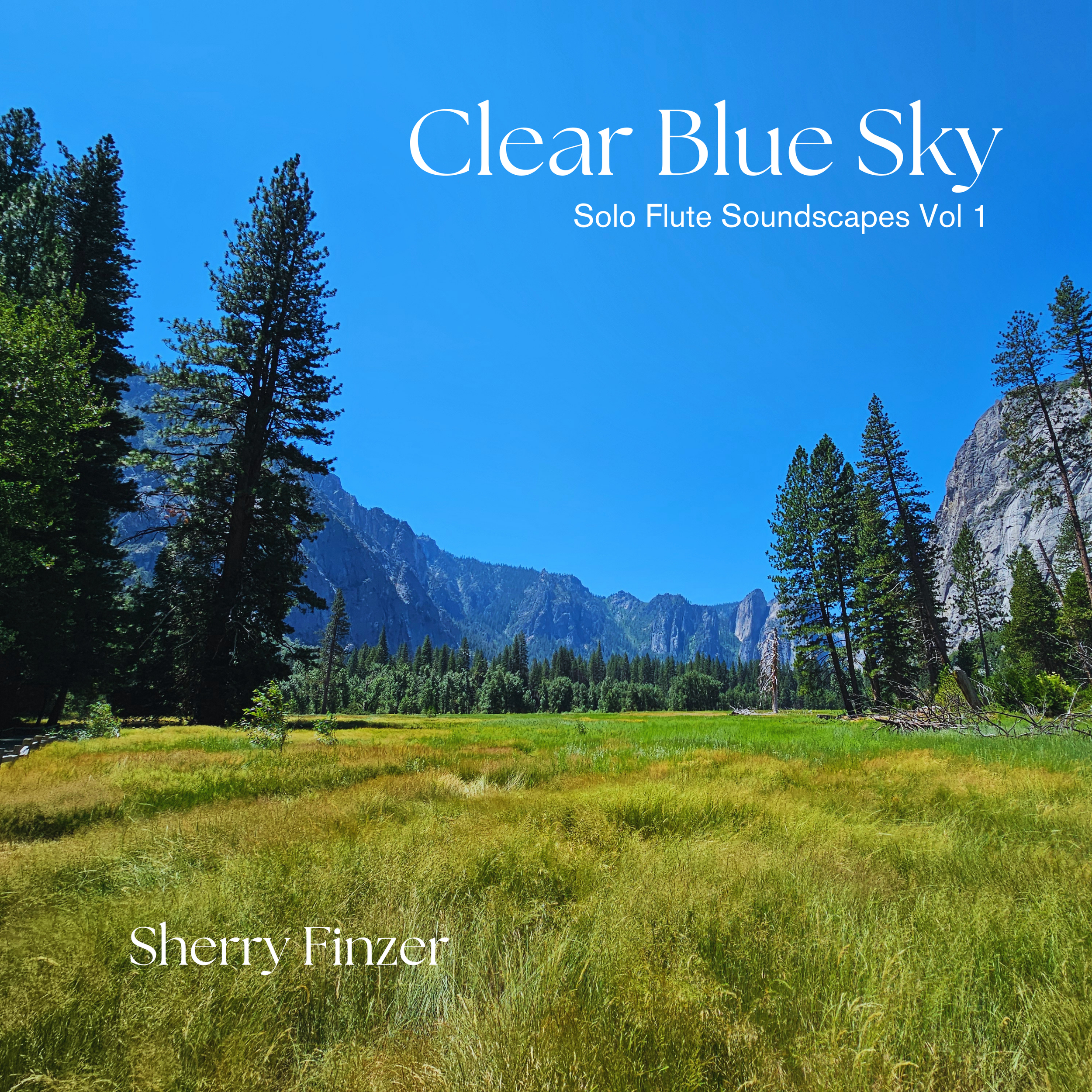
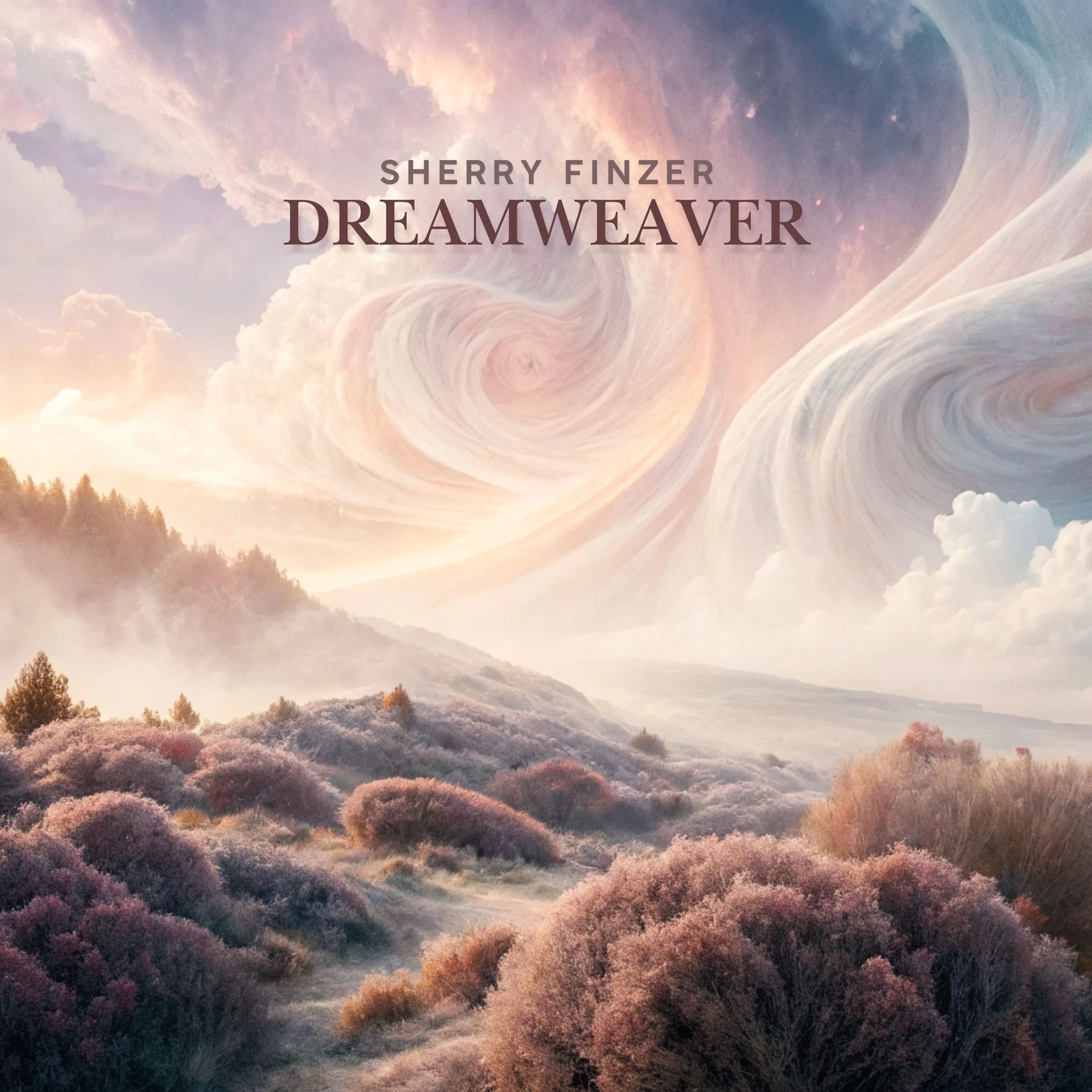
Recorded at the legendary Tank Center for Sonic Arts in Rangely, Colorado, Clear Blue Sky, Vol. 1 is a deeplyimmersive solo flute album inspired by thousands of miles traveled by road through America’s most breathtaking landscapes. Featuring modern concert C,alto, and bass flutes, each composition floats through the Tank’s world-famous natural reverb, shaped by the wide-open vistas of Yellowstone, the soaring peaks of Rocky Mountain National Park, the ancient grandeur of Yosemite, andthe countless skies in between. With its ethereal New Age feel, the album evokes freedom, reflection, and the quiet emotional lift of standing beneath a perfectly clear sky. This release marks the first in a contemplative series devoted to spaciousness, serenity, and pure acoustic beauty.
credits
released September 18, 2026
Flutes: Sherry Finzer
Recording Engineer: Michael Vanwagoner
Mixing & Mastering Engineer: Cass Anawaty - Sonoran Mastering, Scottsdale, AZ -
Featuring KEZMA and Passing, spatial audio forward recordings from the TANK transposed for B2. Works by Brook Vann & Jean-Jacques Martinod. At the ATLAS Black Box, B2, Roser ATLAS Building. Free tickets available here.
KKEMZA is a feature-length essay film built from four years of fieldwork across four disappearing wetland ecosystems: Louisiana's Atchafalaya Basin, Ecuador's Guayas mangroves, the Florida Everglades, and the absent Beljarica swamp buried beneath Belgrade. A cinematic travelogue through worlds at the edge of legibility, the film follows fishermen, philosophers, and nonhuman ecologies caught between ecological collapse, narcotrafficking, and urban erasure.
Passing is a six-minute digital storytelling piece made up of six movements. It combines data sonification with field recordings from Tennessee to explore transgender experiences in areas like employment, education, healthcare, housing, safety, and community. Instead of following a traditional story, the piece creates an ambient listening space using layers of tones, processed environmental sounds, and sonic events shaped by data. These sounds appear, overlap, and fade over time. Patterns from survey data influence changes in rhythm, density, and timbre, letting real-life conditions be heard without turning them into straightforward facts.
Jean-Jacques Martinod
Jean-Jacques Martinod is a filmmaker, media artist, and abyssological researcher whose practice moves through ruin, and deterritorialized landscapes as sites of relational inquiry. His work has been shaped as much by what places sound like as by what they look like, deploying contact microphones, hydrophones, and field recording equipment not as documentary tools but as research alembics, instruments for sensing dimensions of a landscape that conventional perception cannot reach.
Brook Vann
Brook Vann is an artist, researcher, and educator working across sound, data, and media to explore how systems record, represent, and misrecognize lived experience. Their practice integrates digital storytelling, data sonification, and spatial audio to create immersive works that engage listening as both a creative and critical method. Drawing from community-based research and interdisciplinary frameworks in sound studies, media art, and gender studies, their work examines how structures of power shape what can be heard, known, and remembered.
-
Join us for a free concert as members of Boulder’s renowned Resonance Women’s Chorus perform in the TANK. Resonance’s presentation will be a concert/demonstration of this chant-based improv form of TANK-play. You’ll hear small groups as well as a full group of 12 singers in an informal 40-minute flow of sound.
Resonance Women’s Chorus, based in Boulder County, Colorado, is a 125-voice community chorus singing songs of social awareness. Resonance singers have been coming to the TANK for many years for a weekend of exploration and play. They typically mix solo times with small group and full group singing, working with simple songs and chants. They’ve found "chant-based improv” to be a very successful way to be together in the TANK. Singers who have arrived at the TANK with varying degrees of comfort with improv and with solo singing have consistently found that the way the TANK dances with the human-produced sounds is supportive and encouraging, conducive of bravery.
-
The Tank presents an extraordinary group of singers, David Hykes and his Harmonic Choir, in a unique and profound listening experience.
David Hykes
Timothy Hill
Seth Markel
Blandine Hardillier
Since 1975 Hykes has developed a comprehensive approach to contemplative music that he calls Harmonic Chant. After early research and trips studying Mongolian, Tibetan, and Middle Eastern singing forms, Hykes began a long series of collaborations with traditions and teachers of wisdom and sacred art, including the Dalai Lama and monks of the Gyume and Gyuto Orders.
Hykes founded the Harmonic Choir in 1975 and has performed and taught Harmonic Chant in America, France, Germany, Italy, Switzerland, Japan, Australia and many other countries. Considered to be one of the world’s pre-eminent overtone ensembles.
-
Long Way, an invitation only festival organized by Tank board members Matthew Langford and Michiko Theurer, took place August 7, 8, and 9. 25 musicians, 16 twenty-minute sets, and other group activities in and arount The TANK.
-
Guitarist, radio producer, and field recordist James Barrs returns to the Tank, and will be joined by Rai Omri and Ben Bentele.
James was last at The TANK in August of 2025, when he recorded the album How Sweetly I Sleep Here Alone, about which James says:
This album represents a shift in my playing and a movement towards letting my music be an unfiltered reflection of the moment. Shenandoah and the medley are free improvisations passing back and forth between the violin and guitar, communicating in long, slow melodies, in conversation with the reverberant tank. The rest are folk arrangements and the Titanium Bell improvisation (using a piece of spacecraft from the tank). Schnee In Istanbul is a piece written by Carlo Domeniconi that I’ve been playing since childhood.
-
We’re planning two nights of concerts this year, on the 19th and 20th. On the 21st we’ll have our usual Solstice Sunrise gathering, Solstice Solar Noon gathering, group swim, and pictograph hike.
FERROMANCY - Conjuring Resonant Memories.
Like all physical objects, the monumental steel cylinder known as The Tank resonates when stimulated. For this extraordinary event, Neal Johnson and Alan Watts use arcane electronic devices to bring the whole structure to life as a single instrument, summoning the Tank’s own voice to tell a tale of its past, present, and future.
Technically, here’s what happens. Human-controlled (via MIDI or OSC) or pre-programmed mechanical solenoids and their custom-built motor drivers strike the Tank’s surface. Transducers disseminate sonic energy that induces structural vibrations across multiple audio channels, so that the entire Tank becomes a "speaker.” These devices, magnetically affixed to the steel walls in a hemispheric array, produce an extraordinary, encompassing auditory experience.
Over three years of design, development, and testing, Neal Johnson and Alan Watts developed their concept for this Tank performance. As they listened carefully to the Tank, it communicated to them in clear terms how it would most completely express their intentions.
The two came to understand how the Tank, as a resonant body with a distinctive voice, is continually reshaped by its material nature, its shape and size, ambient temperature and humidity. And they began to wonder. If the Tank told a tale of its past and present, what details might it share? If asked to forecast the future, what would it see in store for itself? For all of us?
So this performance system evolved to tell the Tank’s own saga, of primordial birth, modern human endeavors, and entropic decay. This performance relates that “sound cycle” in four parts:
The Time Before Time
A Purpose-driven Life
A New Lease
Long After (Entropy’s Delight)
-
The TANK is thrilled to continue it’s partnership with U. Colorado, Boulder’s ATLAS / B2, hosting resident student composers, musicians and artists. While these initial residencies are not open to the public, they result in visits to Rangely school music classes, Rangely public concerts, and listening parties in Boulder.
Jean-Jacques Martinod will be resident May 29-June 1.
“Project Description: KKEMZA is a feature-length essay film built from four years of fieldwork across four disappearing wetland ecosystems: Louisiana's Atchafalaya Basin, Ecuador's Guayas mangroves, the Florida Everglades, and the absent Beljarica swamp buried beneath Belgrade. A cinematic travelogue through worlds at the edge of legibility, the film follows fishermen, philosophers, and nonhuman ecologies caught between ecological collapse, narcotrafficking, and urban erasure.
KEMZA has spent four years listening to swamps. Contact microphones pressed against mangrove roots and cypress bark, hydrophones submerged in Louisiana bayous, field recordings calibrated to frequencies below human auditory range: the film's sonic methodology has always treated the wetland as a resonant body, a space where sound accumulates, lingers, and refuses easy dissipation. The TANK, with its extraordinary reverberation and its refusal to let sound simply die, feels less like a recording studio and more like a kindred ecosystem.
The proposal is this: to bring the sonic world of KEMZA into the TANK and let the two contaminate one another. I will arrive with contact microphones and a series of instruments and sonic objects gathered across four years of fieldwork and travel, objects that carry the acoustic memory of the Atchafalaya, the Guayas mangroves, the Everglades, and Belgrade. Inside the TANK, these sounds will be recorded, layered, and transformed by a reverberation that no studio or wetland can replicate, adding an ethereal and liminal sonic dimension to the film that could only emerge from this specific space.
The result will serve two purposes: a new sonic layer for KEMZA itself, woven into the film's final sound design, and a standalone sonic documentary where the swamp and the TANK speak to one another across geography and medium. ”
-
Renee , Lily, Shay and Musiic will be performing rounds of songs.
More details to follow - meanwhile, enjoy this video of Renee performing with Jeremy Toback: Here and Now.
-
The TANK is thrilled to continue it’s partnership with U. Colorado, Boulder’s ATLAS / B2, hosting resident student composers, musicians and artists. While these initial residencies are not open to the public, they result in visits to Rangely school music classes, Rangely public concerts, and listening parties in Boulder.
Brook Vann will be resident May 21-24.
“Project Description: Passing is a six-minute digital storytelling piece made up of six movements. It combines data sonification with field recordings from Tennessee to explore transgender experiences in areas like employment, education, healthcare, housing, safety, and community. Instead of following a traditional story, the piece creates an ambient listening space using layers of tones, processed environmental sounds, and sonic events shaped by data. These sounds appear, overlap, and fade over time. Patterns from survey data influence changes in rhythm, density, and timbre, letting real-life conditions be heard without turning them into straightforward facts. The work is designed for a 7.1 ambisonic setup, ideally played through a circular speaker arrangement in a public or civic space. In this setting, the line between the music and its surroundings is open—footsteps, conversations, and movement in the space become part of the soundscape. This approach makes listening a shared experience, where the audience is both surrounded by and adding to the atmosphere as it develops. Passing can also be available as a binaural piece that you can stream online using a QR code or to the ATLAS B2 blackbox space. This makes the work accessible outside the installation, letting it reach different settings while still focusing on shared, physical listening. In both formats, the piece avoids a fixed story and instead creates a continuous sound environment where data and experience interact. What you hear is not a stable picture, but a changing, connected presence.”
-
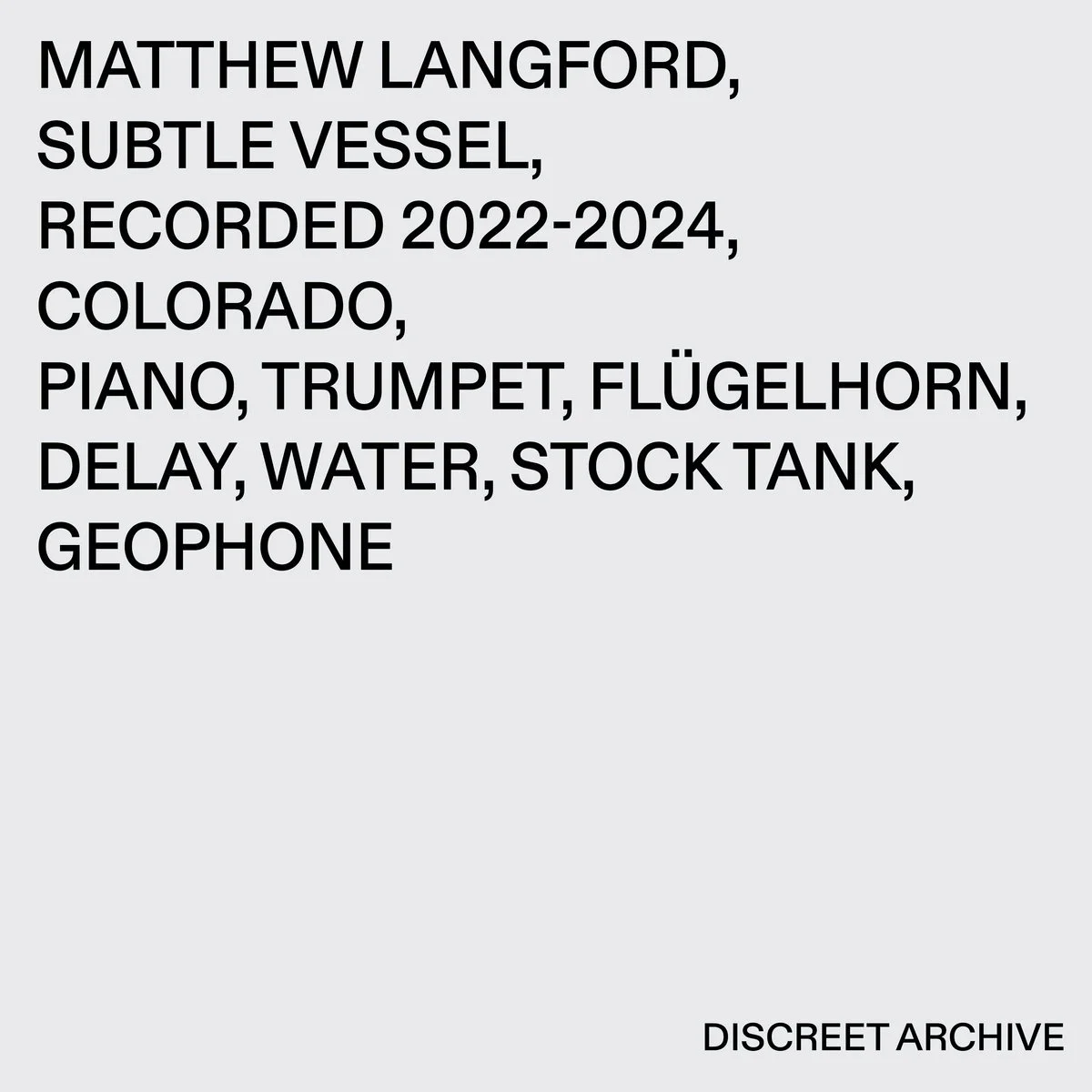
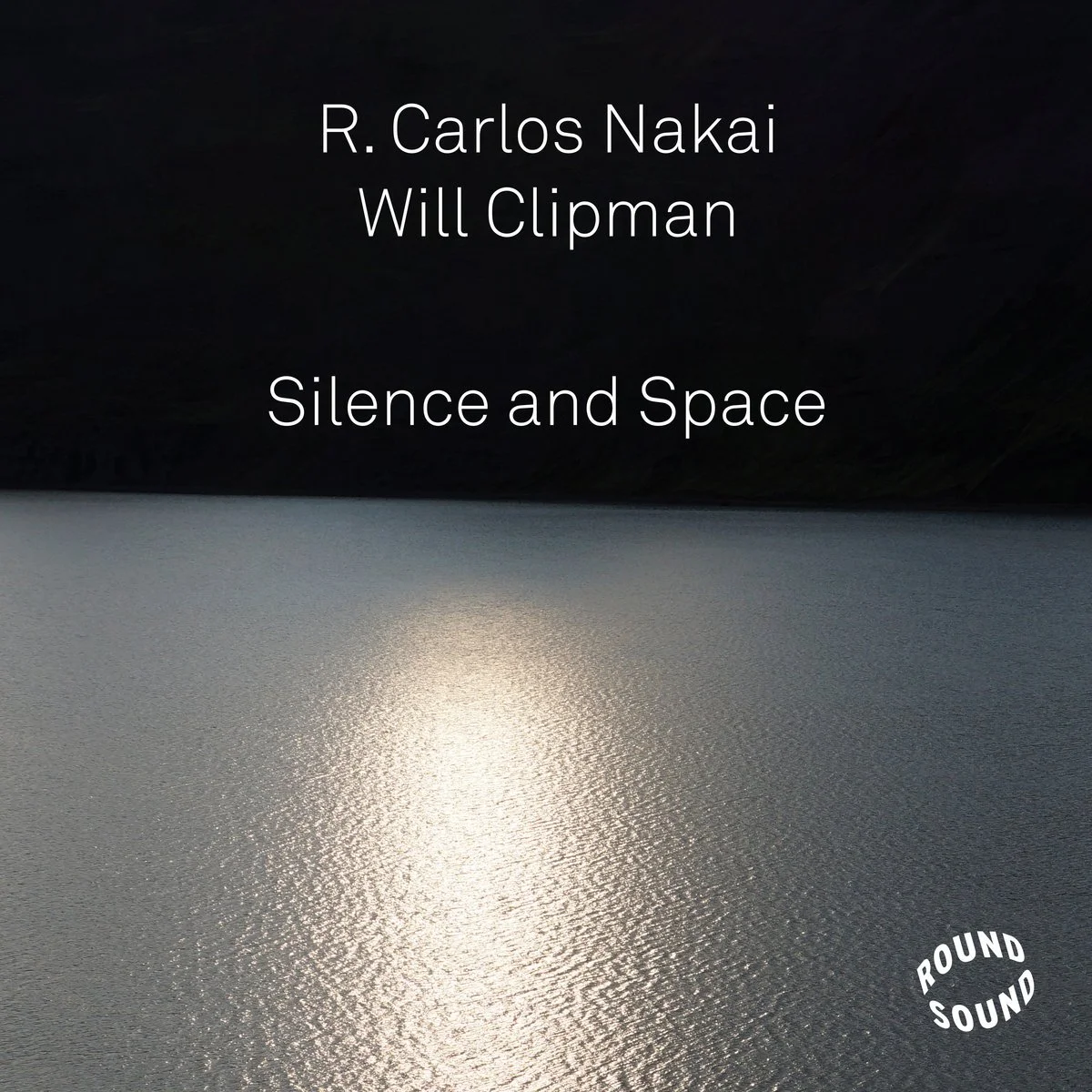
On one morning recording session, subtle vessel was recorded live in the seven-story aquatic space known as the Tank Center for Sonic Arts in Rangely, Colorado. This is the culmination of a two-year-long recording project by Matthew Langford that began as a voice memo he made at a piano in Lakewood, Colorado on July 26th, 2022.
Mirroring and adding to Alvin Lucier's process for I Am Sitting in a Room, he made live re-recordings of the original voice memo on July 26th, 2023 while adding layers with trumpet, flügelhorn, and simple delay effects. Bringing a body of water into the Tank for the first time, on the morning of July 26th, 2024.
Langford began by soaking for thirty minutes in a 400-gallon tank of water while the recordings he had made on the same day one and two years in the past were played into the Tank and re-recorded once more. While standing in the tank of water, he then made five more re-recordings while continuing to add layers with trumpet and flügelhorn to complete this full length album.
This material will be presented at the B2 Center for Media Arts & Production in a Spatial Audio listening session, followed by a Q&A with Matthew.
(This event has taken place.)
-
Recorded live at the
Tank Center for Sonic Arts.GUITAR:
“The Marquis De Drone” Johnny SangfroidTIMPANI:
John Jiles StephensRECORDING ENGINEER:
Michael Van WagonerMASTERING:
Tyler ReddickCOVER PHOTO:
John McAleerARTWORK:
Marie Wirtz, The Garage IncPRODUCER:
John McAleer -
In one morning recording session subtle vessel was recorded live in the seven-story aquatic space known as the Tank Center for Sonic Arts in Rangely, Colorado. This is the culmination of a two-year-long recording project by Matthew Langford that began as a voice memo he made at a piano in Lakewood, Colorado on July 26th, 2022.
Mirroring and adding to Alvin Lucier's process for "I Am Sitting in a Room", he made live re-recordings of the original voice memo on July 26th, 2023 while adding layers with trumpet, flügelhorn, and simple delay effects. Bringing a body of water into the Tank for the first time, on the morning of July 26th, 2024 Langford began by soaking for thirty minutes in a 400-gallon tank of water while the recordings he had made on the same day one and two years in the past were played into the Tank and re-recorded once more. While standing in the tank of water, he then made five more re-recordings while continuing to add layers with trumpet and flügelhorn to complete this album.
Matthew Langford (he/him) is a sound artist, composer, trumpet player, and improviser living in Colorado. His work explores the embodied nature of things; of creature, substance, and place, co-creation, the obscuring of time and space, and the... morecredits
released March 24, 2026
℗ 2025 Matthew Langford & Jim Ruberto. © 2025 Matthew Langford. All rights reserved. -
In October of 2024, I recorded two songs live at The Tank Center for Sonic Arts in Rangely, CO. It was a hot October day and I spent most of it on the cool metal floor, listening to James and Camille play. I had time to do two takes of Bury Me Not and one take of Everything You Know, so what was captured was imperfect, raw, and of the moment -- a car goes by, the tank cracks as it responds to the changing temperature of the day. I love this place, and I'll go back one day, hopefully with some collaborators and a whole day to play with. Thank you for listening <3
credits
released February 6, 2026
Rai Omri: Guitar, Vocals
Camille Backman: Violin (track 2)
Recorded live October 2024 at
The Tank Center for Sonic Arts, Rangely, CO
Engineered by Michael Van Wagoner
Mastered by Timothy Stollenwerk at Stereophonic Mastering

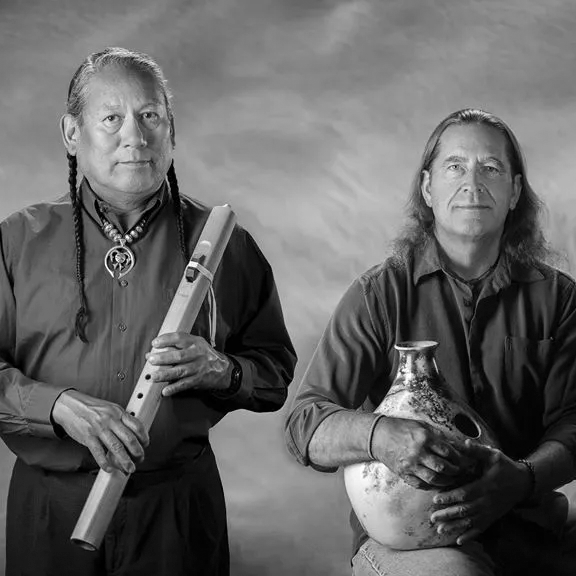
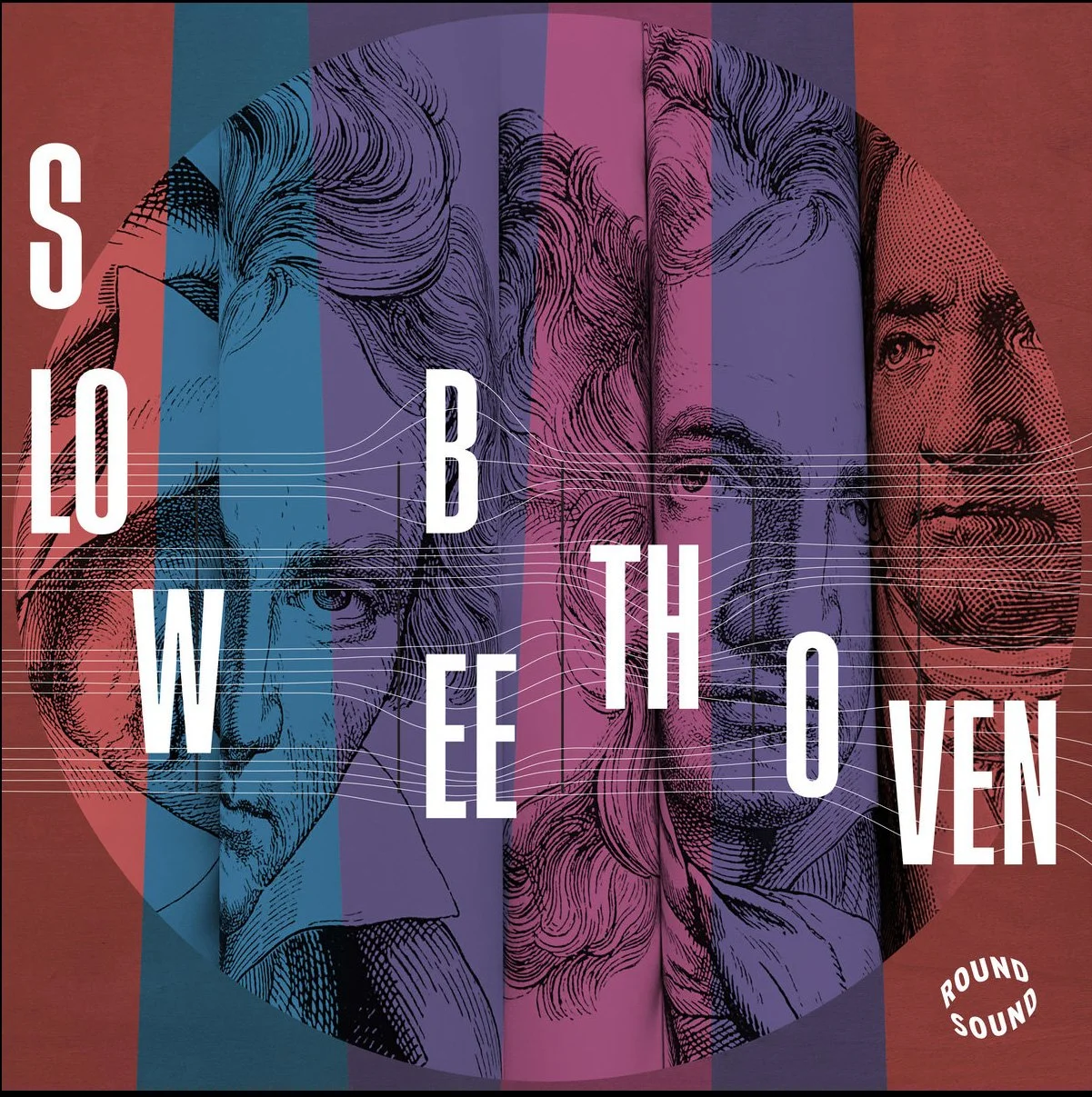
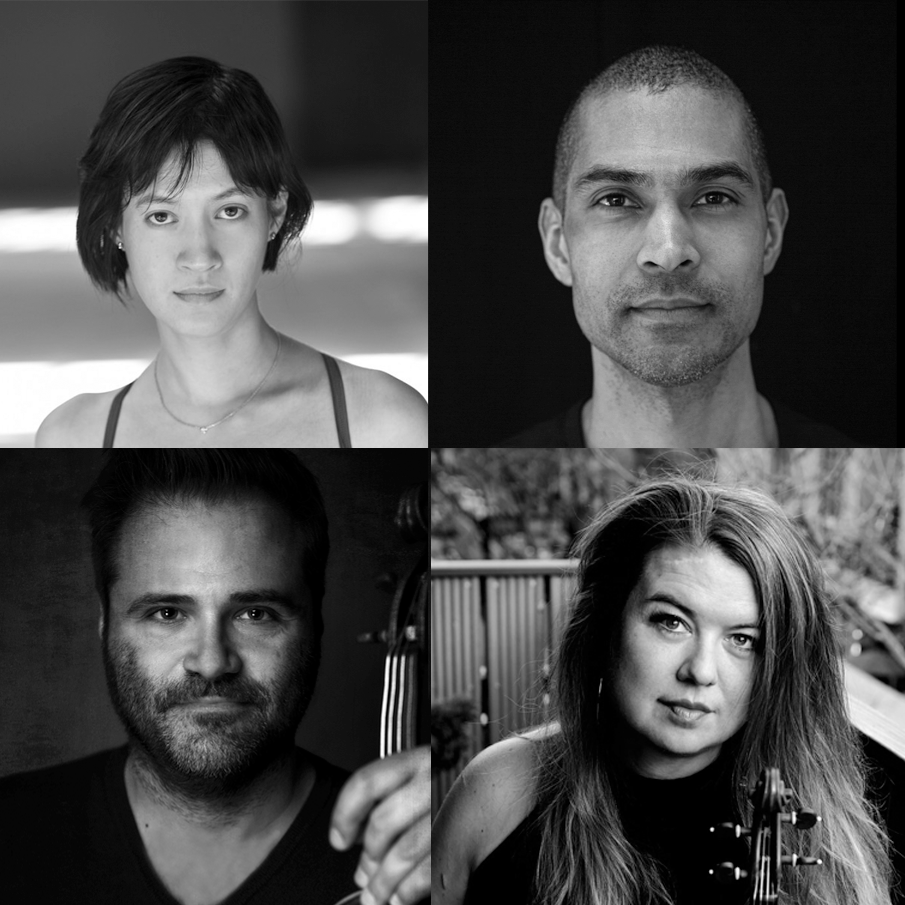

These recent recordings, released in 2025 & 2026 on other labels, were recorded partly or wholly in The TANK